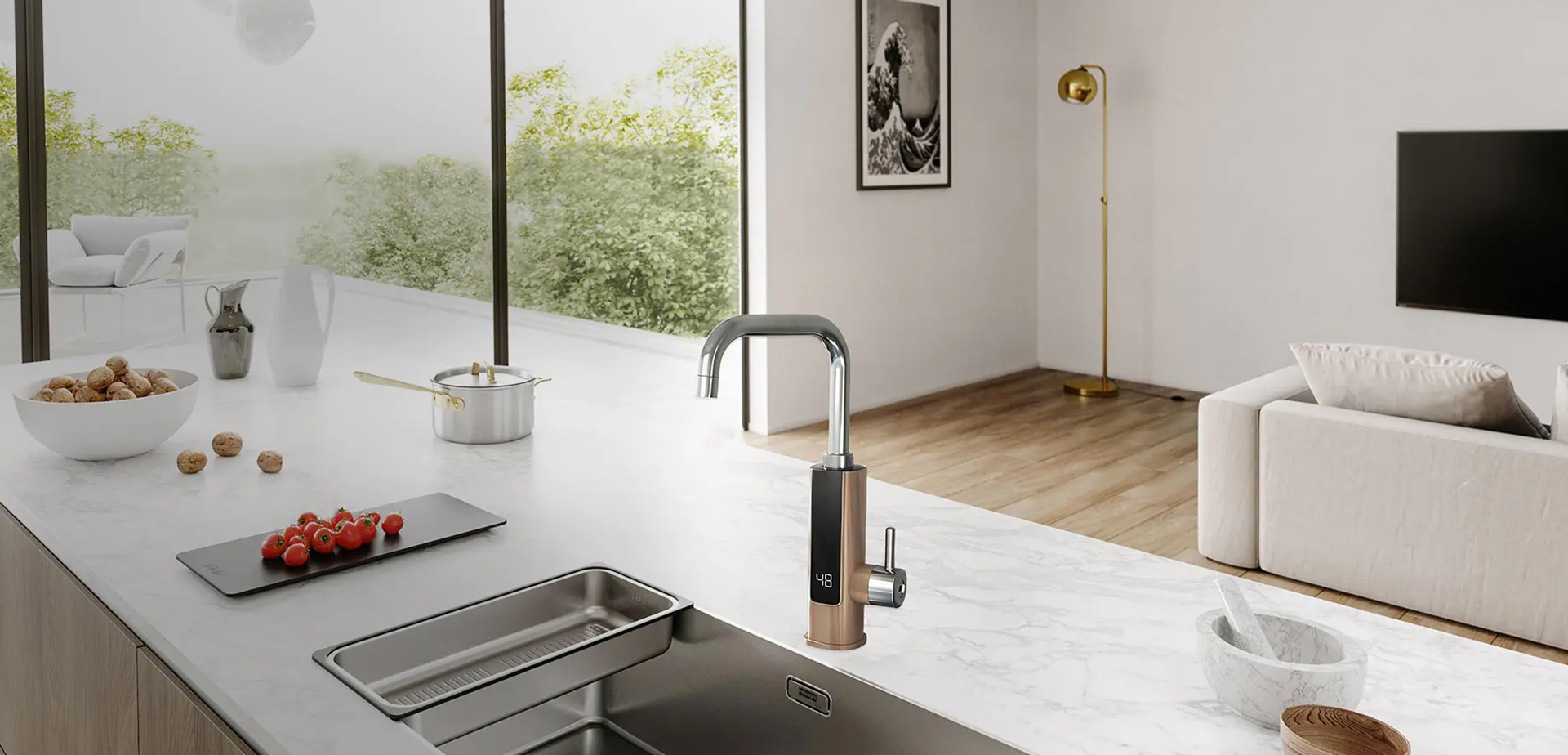
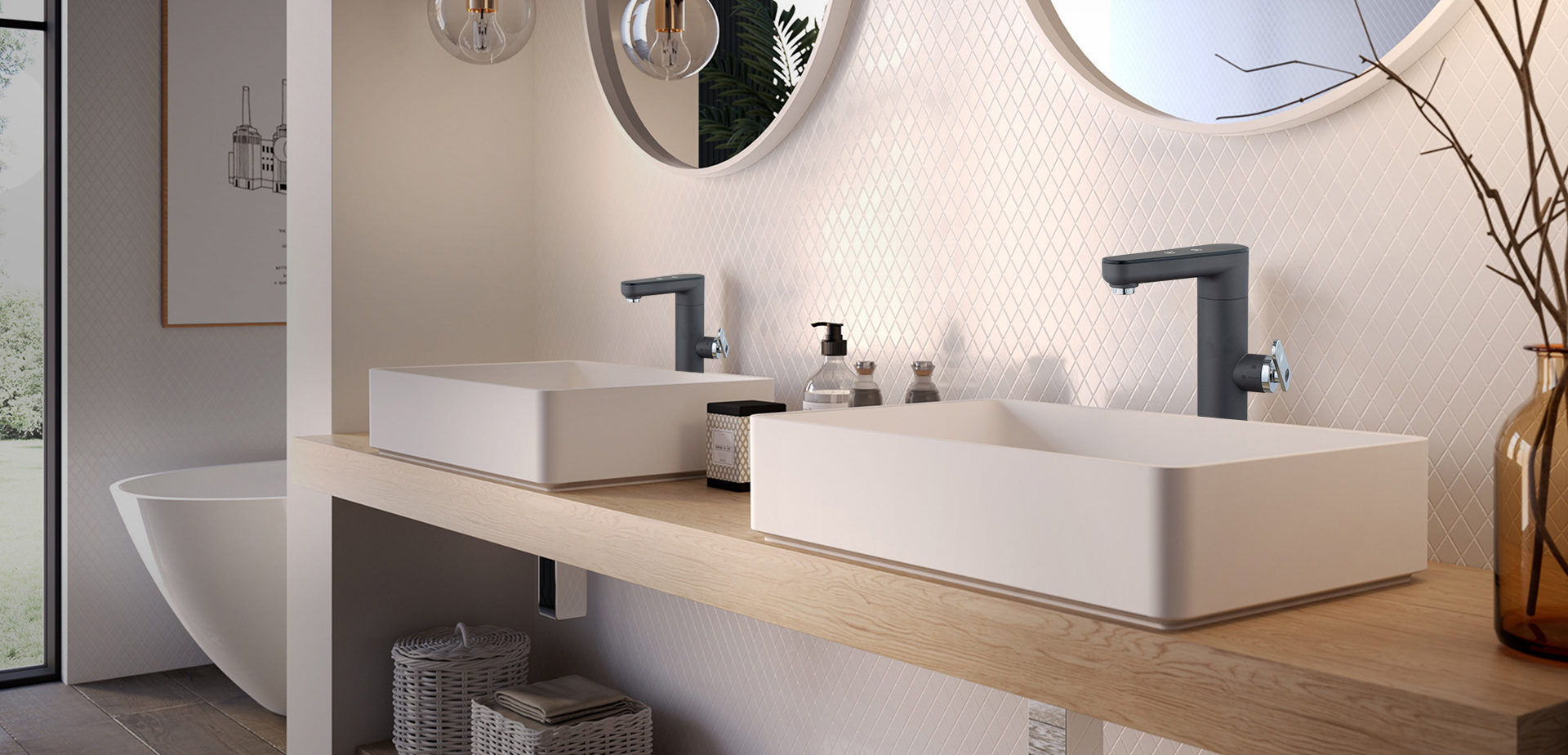
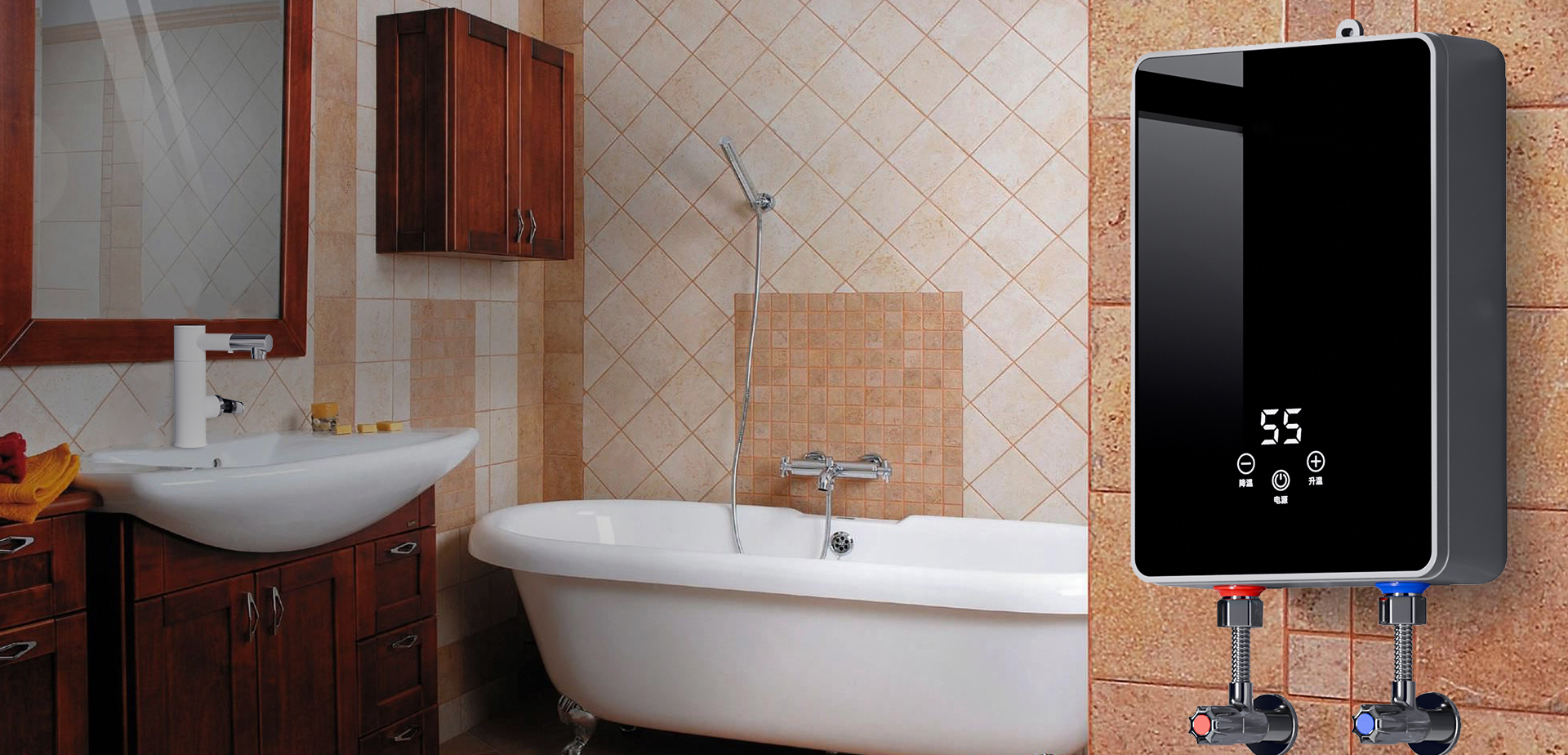
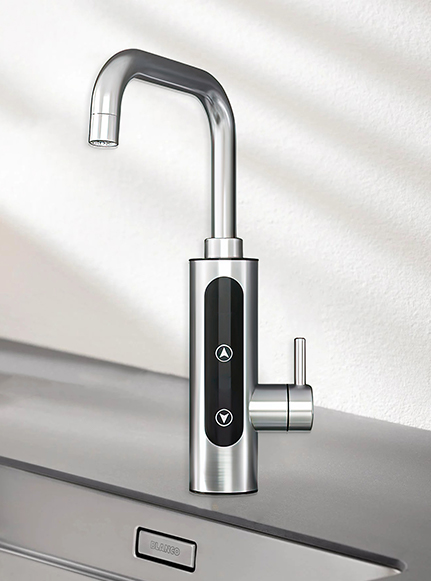
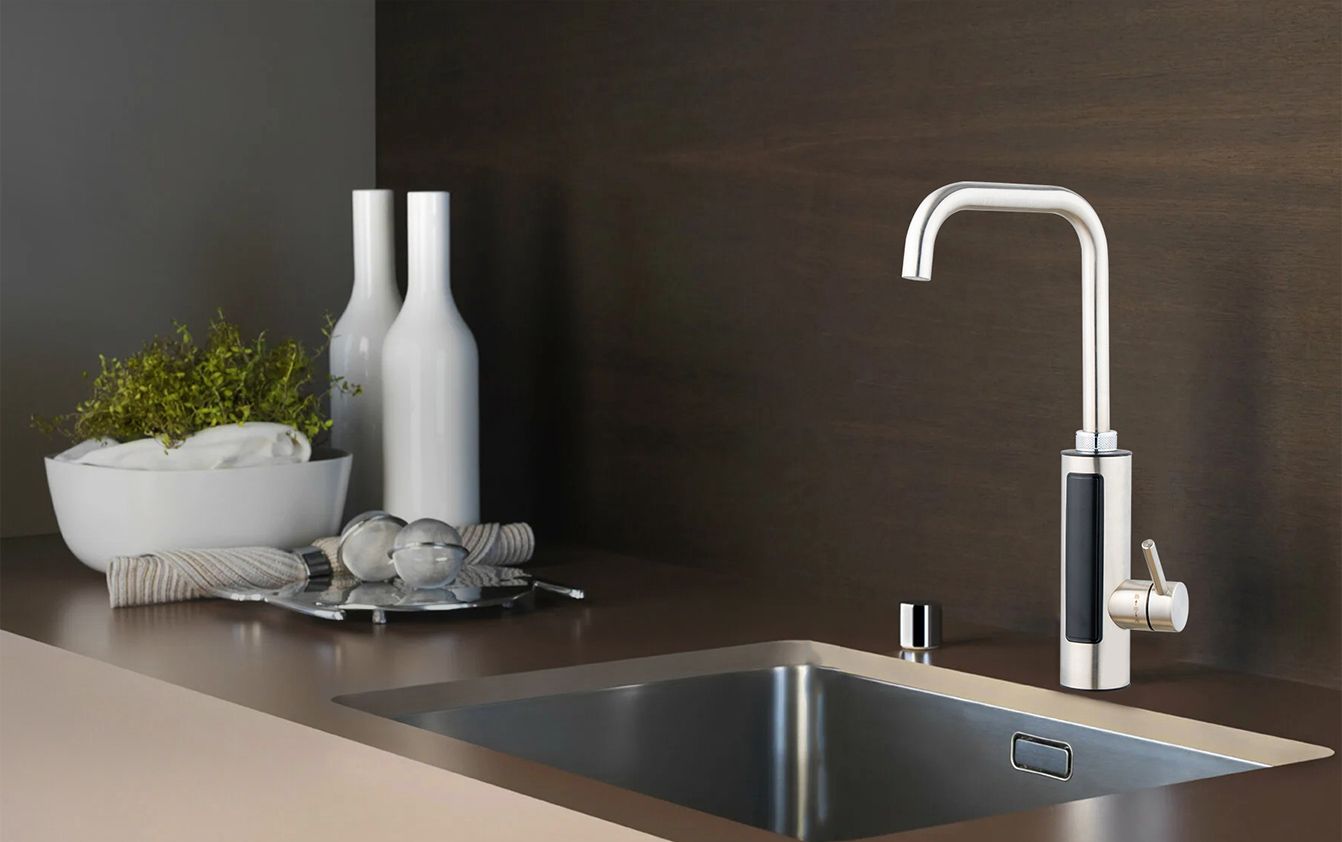
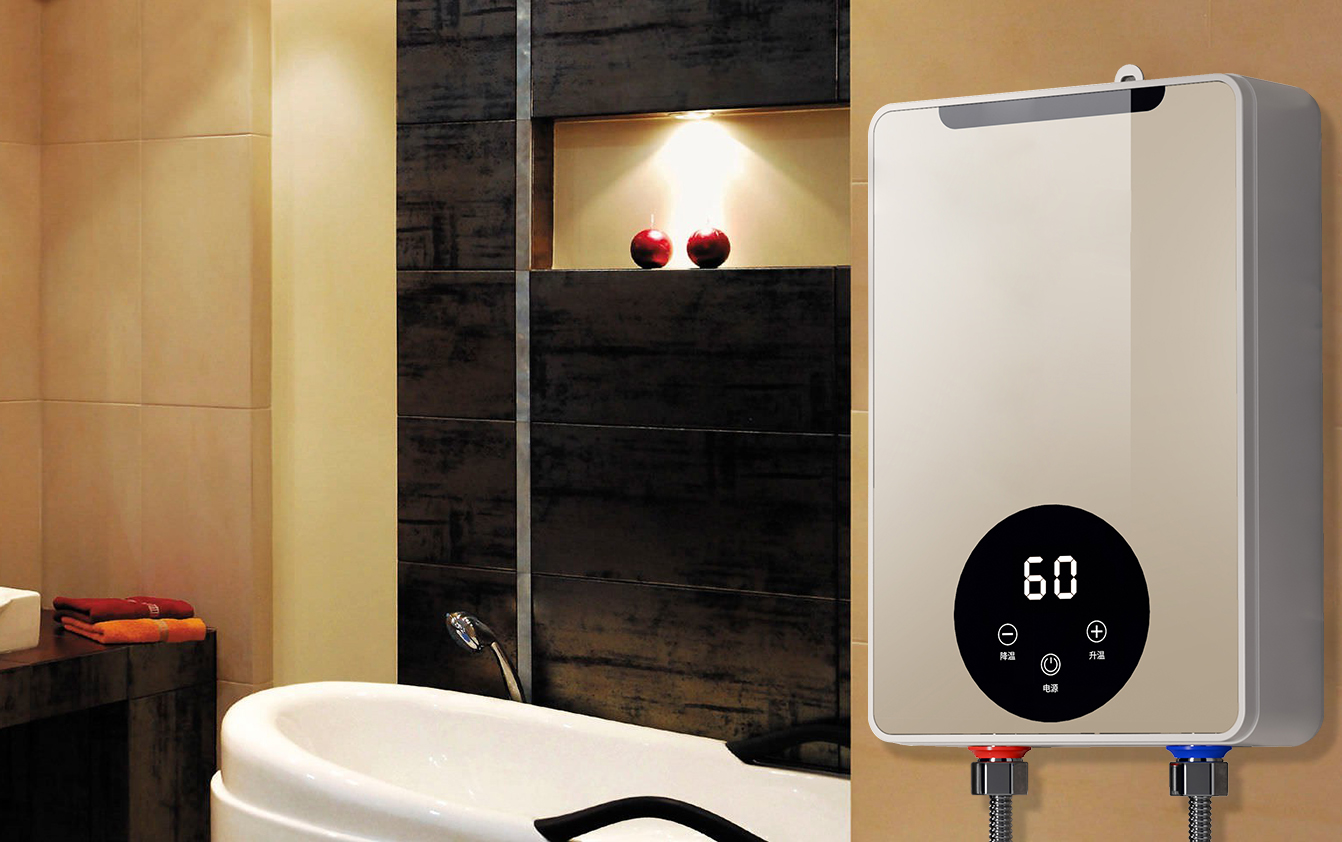
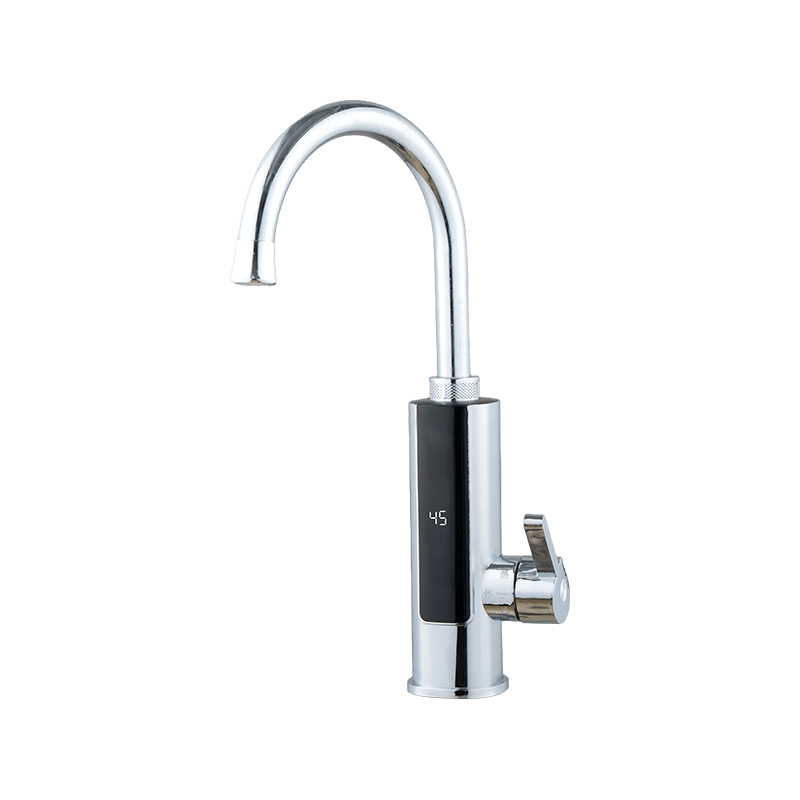
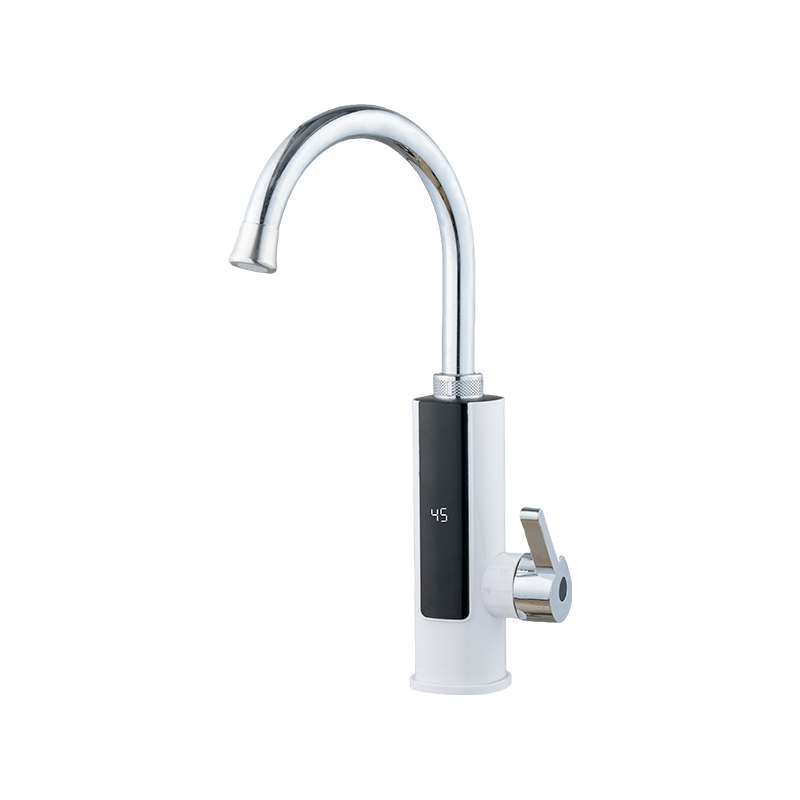
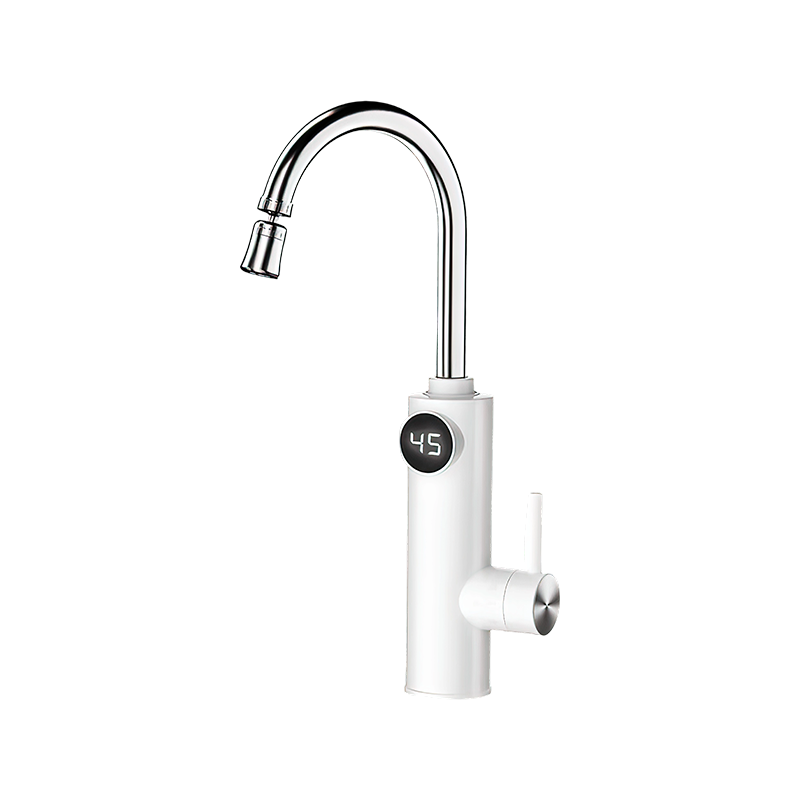
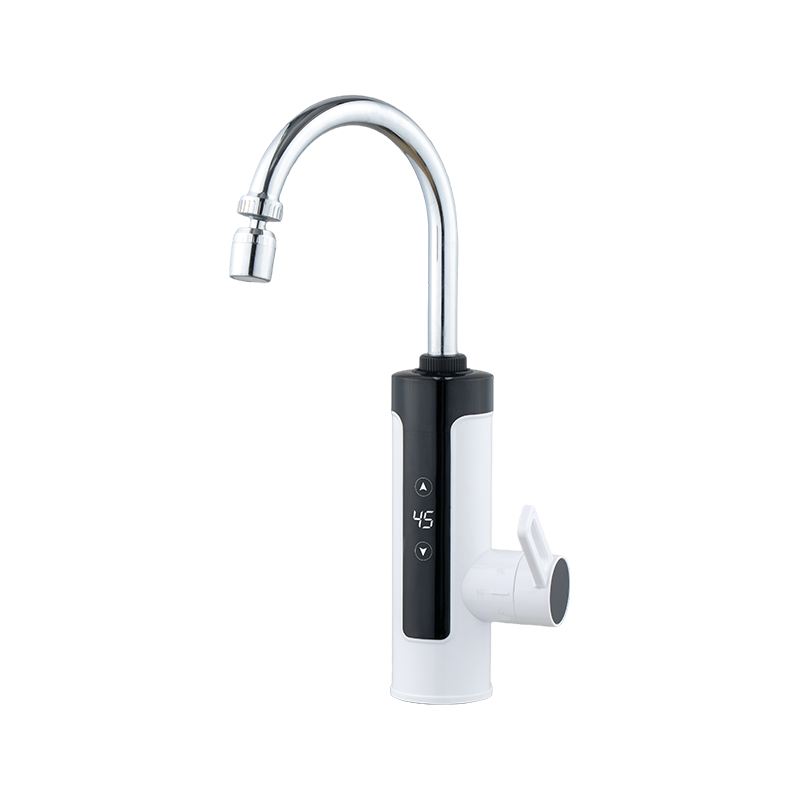
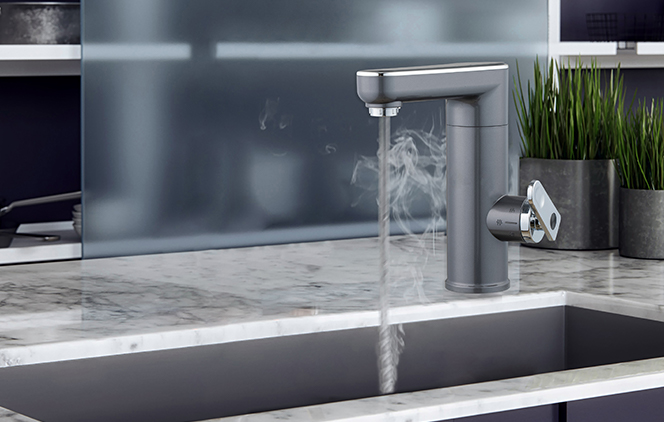
Un grifo de agua filtrada se encuentra en la primera línea del uso diario de agua. Cuando llenas una olla para hacer pasta, enjuagas bayas, preparas café o sirves un vaso para un niño, el estado del agua depende de lo que sucede en el grifo. El agua municipal que viaja a través de tuberías viejas puede recoger sedimentos, compuestos de cloro utilizados para la desinfección y oligoelementos que afectan tanto el sabor como la formación de incrustaciones. Los propietarios de viviendas instalan cada vez más un grifo de agua filtrada porque trata el agua exactamente donde sale de la tubería, sin el costo y la complejidad de un sistema para toda la casa. Especialmente en las cocinas, este dispositivo de punto de uso único equilibra la conveniencia, el gasto continuo del filtro y una mejora mensurable en la calidad del agua. El término grifo de agua filtrada cubre ahora una gama más amplia de productos que hace una década. Más allá de un simple grifo de filtración de agua fría, algunos modelos suministran agua caliente instantánea a través de una cámara de calentamiento integrada mientras pasan el suministro a través de un cartucho de filtro. Esta categoría de doble función resuelve dos frustraciones domésticas a la vez: esperar por agua caliente y depender del agua embotellada para beber o cocinar. También atrae a inquilinos, habitantes de apartamentos pequeños y a cualquiera que desee una solución de agua integrada sin modificar los gabinetes. Debido a que la industria ha crecido rápidamente, los nombres de los productos, las especificaciones de los filtros y las expectativas de mantenimiento difieren significativamente entre las marcas. Comprender cómo funcionan estos sistemas, qué pueden eliminar de manera realista y cómo evaluar a un proveedor es tan importante como el precio de compra inicial. Esta guía explica los principales tipos de grifos de agua filtrada, las tecnologías de filtración utilizadas en cada diseño, qué verificar antes de comprar, cómo mantener un sistema y qué buscar cuando se abastece de un fabricante, proveedor o mayorista de grifos de agua filtrada. Se basa en la experiencia práctica en producción con grifos de agua eléctricos instantáneos, incluidos modelos que incorporan filtración y calefacción en un solo accesorio de cocina. Ya sea que esté actualizando la cocina de su hogar o planificando una nueva línea de productos para su distribución, las siguientes secciones lo ayudarán a hacer las preguntas correctas en cada etapa de selección y adquisición. Conclusión clave: Un grifo de agua filtrada trata el agua en el punto de uso y los modelos con calefacción integrada responden tanto a la calidad del agua como a la demanda de agua caliente desde un solo dispositivo. ¿Qué es un grifo de agua filtrada y cómo funciona? Un grifo de agua filtrada es un accesorio de punto de uso que integra un cartucho de filtro dentro del cuerpo del grifo o en una carcasa separada entre el suministro de agua y el pico. A diferencia de una jarra, que trata el agua en lotes y ocupa espacio en el mostrador, un filtro montado en el grifo o integrado en el grifo trata el agua según demanda a medida que fluye. La función principal es simple: el suministro entrante pasa sobre y a través de medios filtrantes que atrapan partículas, adsorben compuestos químicos o bloquean microorganismos según el medio seleccionado. En un diseño mecánico convencional, el cuerpo del grifo contiene uno o más cartuchos de filtro. El agua entra por la conexión de la base, sube a través de un conducto de entrada, empuja a través del medio filtrante y sale por el pico. La presión normal de la línea doméstica es suficiente para impulsar el flujo; no se requiere bomba. Muchas unidades incluyen una válvula desviadora o un mecanismo de conmutación para que el usuario pueda elegir flujo filtrado o sin filtrar, preservando la vida útil del cartucho cuando el agua se utilizará para lavar platos en lugar de beber. El grifo eléctrico instantáneo de agua caliente filtrada agrega una segunda capa de función. En esta configuración, el agua fría entrante se divide en dos caminos. Un camino fluye directamente a una cámara de calentamiento sellada sin tanque, donde un elemento calefactor eleva la temperatura al ajuste del usuario, generalmente entre 30°C y 60°C. El otro camino pasa a través del medio filtrante para beber o cocinar agua. Las dos funciones se pueden operar de forma independiente o conjunta según el modelo. Por ejemplo, algunos grifos de calefacción instantánea con filtro interno suministran agua filtrada caliente cuando se activa la palanca de agua caliente y agua filtrada fría cuando se usa la palanca de frío. Componentes clave de una unidad típica Cuerpo y caño del grifo: carcasa que transporta el flujo y soporta la posición del filtro. Cartucho de filtro: conjunto extraíble que contiene medios como bloque de carbón, cerámica o membrana de fibra hueca Válvula desviadora o de conmutación: envía agua a través del filtro o lo deriva Cámara de calentamiento (en modelos de calor instantáneo): calentador sin tanque sellado con termostato y protección contra sobrecalentamiento Sensores y pantalla: lectura de temperatura, indicador de vida útil del filtro y protección contra fugas o quemaduras en seco Hardware de montaje y conexiones de manguera: anillo base roscado, mangueras de alimentación y arandelas de sellado La selección de materiales es una parte importante de cómo funcionan estos sistemas. El recorrido del agua en un grifo de ABS es plástico de ingeniería moldeado, que es liviano, resistente a las incrustaciones y económico de producir en volumen. Las versiones de acero inoxidable utilizan acero de grado 304 para el caño y las superficies expuestas, lo que ofrece mayor resistencia mecánica y una apariencia pulida que se adapta a las cocinas modernas. Ambos materiales se pueden utilizar de forma segura con agua potable si se fabrican según los estándares adecuados; la decisión se reduce a la estética, las expectativas de durabilidad y el control de calidad del fabricante. La posición del filtro también cambia la experiencia. Un filtro interno dentro del cuerpo del grifo mantiene todo lo que está encima de la encimera, lo que simplifica la instalación y elimina la necesidad de abrir el gabinete debajo del fregadero. Una carcasa de filtro separada debajo del fregadero se conecta al grifo mediante una manguera de diámetro pequeño, lo que ofrece un mayor volumen de cartucho y una vida útil más larga, pero requiere más espacio de instalación. Los grifos de conexión rápida y libre instalación están diseñados para inquilinos o usuarios que no desean cambios permanentes de plomería, ya que se acoplan a una rosca o toma de corriente existente y se pueden quitar sin dejar rastros. Tabla 1. Configuraciones comunes de grifos de agua filtrada de un vistazo. Configuración Ruta de filtración Profundidad de instalación Mejor para Filtro externo para montaje en grifo Cartucho conectado a la salida del pico Menos de 5 minutos Inquilinos, mejoras de presupuesto Cartucho incorporado dentro del cuerpo del grifo Cámara de filtro integrada encima del mostrador Montaje en mostrador estándar Cocinas compactas, combos de frío y calor. Grifo con filtro exclusivo con carcasa debajo del fregadero Recipiente de cartucho separado debajo del mostrador Requiere acceso al gabinete Uso doméstico de gran volumen Combo instantáneo caliente más filtrado Filtro interno más calentador sin tanque Conexión estándar o rápida Hogares que buscan agua caliente y filtrada en un solo grifo Conclusión clave: El mejor diseño de grifo de agua filtrada para una casa determinada depende de la posición del filtro, el espacio disponible en el mostrador y el gabinete, y si también se requiere agua caliente instantánea. Principales tipos de grifos de agua filtrada para cocina y baño Por función de temperatura Los grifos con filtro de agua fría tratan el suministro municipal para beber, cocinar y preparar bebidas sin ninguna función de calefacción. Dependen de la presión de la línea y normalmente contienen un cartucho compacto de carbón o cerámica encima de la encimera. Estos modelos son económicos, no consumen energía y son fáciles de mantener, lo que los hace populares en cocinas donde una tetera o calentador instantáneo ya cubre las necesidades de agua caliente. Los grifos con filtro de agua fría y caliente se conectan tanto al suministro de agua fría como a un módulo de calefacción eléctrica instantánea. Son la opción más versátil porque el mismo dispositivo puede suministrar agua fría filtrada para un vaso de agua y agua caliente instantánea para té, fideos o una limpieza rápida. Algunas unidades filtran solo el camino frío, mientras que otras dirigen el flujo frío y caliente a través del mismo cartucho, lo que significa que el agua calentada también se filtra antes de llegar al pico. Los grifos eléctricos instantáneos con filtro y diseño sin tanque calientan el agua dentro del cuerpo del grifo en el momento de su uso. No almacenan agua caliente en un depósito, lo que reduce la pérdida de calor en espera y la acumulación de incrustaciones minerales en comparación con los grifos eléctricos de almacenamiento más antiguos. Debido a que el calentamiento tiene lugar junto al pico, el usuario siente el cambio de temperatura casi de inmediato y los ciclos cortos de extracción no desperdician energía almacenada. Por material y calidad de construcción El plástico de ingeniería ABS es común en los grifos eléctricos instantáneos con filtro porque es liviano, aislante eléctrico y resistente a la corrosión del agua clorada. Los mejores grados de ABS son aptos para uso alimentario y estables en todo el rango de temperatura utilizado en los grifos de cocina. Las unidades de ABS están disponibles en acabados blanco, gris, con apariencia cromada y cepillado, y sus precios se adaptan a los hogares que cuidan su presupuesto y a los compradores primerizos que buscan un grifo de agua filtrada. Los cuerpos de acero inoxidable, generalmente de grado 304, ofrecen una boquilla de metal con mayor resistencia mecánica y una apariencia superior. El acero inoxidable resiste los rayones, la corrosión y las altas temperaturas del agua mejor que la mayoría de los plásticos y se adapta al lenguaje de diseño de los fregaderos de acero inoxidable modernos. La desventaja es un mayor costo de material y un grifo un poco más pesado que requiere una superficie de montaje sólida. Para las cocinas comerciales y los propietarios de viviendas que conservan un accesorio durante muchos años, el acero inoxidable sigue siendo la opción más duradera a largo plazo. Tabla 2. Materiales de grifos de agua filtrada de ABS versus acero inoxidable para uso en cocina. Grifos con filtro ABS Ligero y fácil de manejar Grados de calidad alimentaria disponibles Buen aislamiento térmico Menor costo mayorista Ideal para modelos de cocina eléctrica instantánea. Grifos con filtro de acero inoxidable. El acero inoxidable 304 resiste la corrosión y los rayones. Acabado premium cepillado o pulido Mayor resistencia mecánica Mayor vida útil en uso exigente Mayor costo y mayor peso. Por método de instalación El montaje estándar en encimera es el enfoque tradicional. Un vástago roscado pasa a través de un orificio en la plataforma del fregadero o en la encimera y se asegura mediante una contratuerca desde abajo; Luego, el grifo se conecta a la línea de suministro de agua y, en el caso de los modelos eléctricos, a una toma de corriente. Este método requiere acceso debajo del fregadero pero proporciona una instalación estable y permanente. Los diseños de montaje horizontal se adaptan a fregaderos poco profundos o estrechos donde un grifo vertical convencional interferiría con una ventana o gabinete. Estos modelos se proyectan hacia adelante y mantienen la pantalla y la manija en un ángulo conveniente para el uso diario, lo que los convierte en una solución práctica para cocinas compactas y cuartos de servicio. Los modelos de conexión rápida de instalación gratuita se enroscan directamente en la salida del grifo existente o en el puerto del rociador del fregadero, sin necesidad de herramientas de plomería ni trabajos debajo del fregadero. Son la forma más rápida de agregar agua filtrada a una cocina y, como se pueden desenroscar en segundos, son la opción preferida para unidades de alquiler e instalaciones temporales. La compensación es un cartucho de filtro más compacto y un caudal máximo ligeramente menor. Conclusión clave: La categoría correcta de grifo de agua filtrada se define por la función de temperatura, el material del cuerpo y el método de instalación que coinciden con el diseño del fregadero y los hábitos de agua caliente del usuario. Medios filtrantes y reducción de contaminantes: lo que un grifo de agua filtrada puede y no puede hacer La vida útil del cartucho del filtro es uno de los números más prácticos para comparar al elegir un grifo de agua filtrada. Diferentes medios filtrantes ofrecen diferentes capacidades de servicio, y esa capacidad afecta directamente el costo de reemplazo y la frecuencia de mantenimiento. El siguiente cuadro resume los rangos de vida útil típicos de cinco medios filtrantes comunes utilizados en la filtración de agua a nivel del grifo. Las cifras suponen una calidad normal del agua municipal y un hogar de dos a cuatro personas que extrae agua filtrada para beber y cocinar. Los resultados reales variarán según la calidad del agua de alimentación, el volumen de agua diario y si el filtro también suministra la ruta de calentamiento. Vida útil típica del cartucho de filtro del grifo por tipo de medio (meses) Filtro de sedimentos PP 4 – 6 meses Carbón activado granular (GAC) 6 – 9 meses Bloque de carbono (CTO) 6 – 12 meses Ultrafiltración de fibras huecas (UF) 12 – 18 meses Elemento filtrante cerámico 12 – 24 meses Para cualquiera que compare grifos de agua filtrada, se pueden sacar varias conclusiones. En primer lugar, los medios a base de carbón son el caballo de batalla de la filtración de grifos porque eliminan el cloro, los compuestos de sabor y olor, así como muchos químicos orgánicos, a un costo razonable. En segundo lugar, las membranas de cerámica y de fibra hueca ofrecen una vida útil del cartucho mucho más larga, pero generalmente producen caudales más bajos y la cerámica puede agrietarse si el grifo se manipula con brusquedad o se expone a temperaturas bajo cero. En tercer lugar, rara vez se utiliza un prefiltro de sedimentos solo en un grifo de agua potable; Por lo general, se combina con carbón para proteger el filtro principal de las partículas. Cuarto, las cifras de vida útil del cuadro suponen agua municipal relativamente limpia; Si depende de un pozo privado o vive en una zona con mucho hierro o dureza, espere intervalos más cortos. Quinto, cuando un filtro alimenta tanto el camino de agua fría como la cámara de calentamiento instantáneo, el agua más caliente puede acelerar la formación de incrustaciones en la superficie del cartucho, por lo que los hogares con agua dura deben considerar un medio inhibidor de incrustaciones o reemplazar los cartuchos en un cronograma más corto. En sexto lugar, el costo de los cartuchos varía ampliamente: los elementos de bloque de carbón generalmente son económicos, mientras que los elementos cerámicos y de UF cuestan más por adelantado, pero pueden durar más si se mantienen adecuadamente. En séptimo lugar, un indicador de vida útil del filtro no es sólo una conveniencia; impide beber agua que ya ha perdido la mayor parte de su capacidad de tratamiento. En octavo lugar, la clasificación en micras importa más que el nombre comercial: un bloque de carbono de 0,5 micras maneja los quistes con mayor eficacia que un bloque de 5 micras, mientras que una membrana de UF de 0,01 micras puede bloquear las bacterias. Noveno, los filtros de los grifos no pueden eliminar las sales disueltas como el sodio o el nitrato; Si eso es lo que le preocupa, la tecnología correcta es la ósmosis inversa, no un filtro de grifo. Décimo, la solución más práctica para los hogares típicos es un cartucho en capas que combina una envoltura de sedimentos con un núcleo de bloque de carbón, brindando reducción de partículas y adsorción química sin sacrificar el caudal. Por último, cuando recurra a un fabricante, pregunte exactamente qué medios se incluyen en el cartucho reemplazable y si se utiliza el mismo cartucho en toda la serie de productos, porque esa coherencia facilita mucho el suministro posventa. Conclusión clave: Un bloque de carbón o un cartucho con capas de sedimento más carbón logra el mejor equilibrio entre la reducción de contaminantes, el caudal y el costo de reemplazo para la mayoría de las instalaciones de grifos de agua filtrada en el hogar. Por qué tiene sentido un grifo de agua caliente instantánea filtrada El mayor cambio en la categoría de agua en el punto de uso es la convergencia de la filtración y el calentamiento instantáneo. Una cocina convencional normalmente requiere cuatro productos separados: un filtro de agua fría, un hervidor para bebidas calientes, una olla para cocinar el agua y un grifo para el lavado general. Un grifo de agua caliente filtrada instantánea reemplaza la mayor parte de ese desorden con un solo accesorio. Los beneficios prácticos van más allá de la conveniencia, porque calentar agua a pedido sin un tanque de almacenamiento también reduce la pérdida de calor en espera y acorta el tiempo de espera en comparación con una tetera que debe hervir un litro completo. La eficiencia energética es uno de los argumentos más fuertes a favor de un grifo con filtro sin tanque. Una tetera suele contener entre uno y dos litros y los hogares suelen hervir más agua de la que realmente utilizan. Un módulo de calentamiento instantáneo calienta solo el agua que fluye a través del pico, lo que significa que no se gasta energía excedente en mantener un depósito. Para té, fideos instantáneos, lavar productos en agua tibia y aflojar la grasa durante la limpieza de platos, un rango de 30 °C a 60 °C cubre cómodamente la mayoría de las necesidades. Desde una perspectiva espacial, la ventaja es aún más clara. Los apartamentos y las cocinas pequeñas rara vez tienen espacio en el mostrador para colocar una jarra con filtro en el grifo, un hervidor eléctrico y una colección de botellas. Un grifo de agua filtrada combina el recorrido del agua potable y el recorrido del agua caliente en la misma carcasa, dejando el mostrador despejado. El uso del baño es una aplicación secundaria pero creciente, ya que un grifo con filtro instantáneo en el grifo del lavabo proporciona agua tibia para lavar sin abrir el grifo del baño hasta que llegue el agua caliente central. Aquí también importa la visión práctica del fabricante. En nuestra serie de grifos ABS para cocina eléctrica instantánea, modelos como el SS1234 proporcionan agua filtrada fría y caliente desde un solo grifo, con una pantalla LED de temperatura y un módulo de calefacción de 3400 W que eleva el agua a la temperatura establecida en cuestión de segundos. Debido a que el elemento filtrante está alojado dentro del cuerpo del grifo, no es necesario instalar un recipiente debajo del fregadero y el cartucho se puede reemplazar desde arriba en unos minutos sin drenar ninguna tubería. Este diseño simplifica tanto la instalación inicial como el servicio continuo para hogares que no se sienten cómodos con el trabajo de plomería. Grifo de cocina con filtro frío y caliente instantáneo con pantalla LED SS-12-34 Este grifo de ABS y acero inoxidable calienta el agua rápidamente con un módulo de 3400 W, filtra a través de un cartucho incorporado y muestra la temperatura en una pantalla LED. Se adapta a hogares que desean una instalación sencilla sobre el mostrador sin plomería debajo del fregadero. Ver producto → Las variantes de instalación gratuita ofrecen la misma combinación a los inquilinos. En lugar de hacer agujeros en la encimera o conectar nuevas válvulas de cierre, el usuario enrosca el dispositivo en la salida del grifo existente y lo conecta a un enchufe con conexión a tierra. Estos grifos con filtro de conexión rápida son cada vez más populares en viviendas para estudiantes, oficinas alquiladas y viviendas de temporada porque se pueden trasladar de una cocina a otra con la misma facilidad que una máquina de café. La creciente demanda de grifos de agua filtrada con calefacción también está remodelando los canales mayoristas y de distribución. Los minoristas informan que los clientes con frecuencia buscan un grifo con filtro de agua caliente instantáneo en lugar de productos de filtro y calefacción separados, lo que acorta el proceso de decisión y aumenta el valor promedio del pedido. Para los distribuidores, almacenar un SKU que combine filtración, calefacción y un cuerpo duradero reduce la complejidad del inventario y simplifica la gestión de repuestos, ya que un solo tipo de cartucho sirve para toda la línea. Conclusión clave: Un grifo de agua caliente instantánea filtrada elimina la necesidad de un hervidor y un producto de filtrado separado, lo que ahorra espacio en el mostrador, reduce la pérdida de energía en espera y simplifica la instalación en la mayoría de los hogares. Cómo elegir el grifo de agua filtrada adecuado: criterios de selección que importan Estabilidad de caudal y temperatura El caudal es el primer número que se debe verificar en cualquier especificación de grifo de agua filtrada. Un buen cartucho de carbón no restringe notablemente el flujo de agua, pero algunos elementos cerámicos y de UF reducen la salida a un goteo a baja presión de la red. Para un grifo de cocina, busque un flujo filtrado de al menos 1,5 a 2 litros por minuto y confirme la potencia nominal de calentamiento instantáneo: 2000 W a 3400 W es típico para grifos eléctricos sin tanque, con una potencia más alta que proporciona un flujo más rápido a la temperatura establecida. La estabilidad de la temperatura afecta la comodidad y la seguridad; una unidad bien hecha mantiene la salida dentro de unos pocos grados en lugar de alternar entre frío y calor. Materiales y cumplimiento de calidad alimentaria Todos los componentes mojados, incluida la carcasa del cartucho, la manguera interior, el revestimiento del pico y los sellos, deben ser aptos para alimentos. Se prefiere el latón sin plomo o el acero inoxidable para los accesorios metálicos, y las piezas de ABS deben moldearse a partir de resina virgen apta para uso alimentario en lugar de material reciclado de composición desconocida. Los fabricantes confiables de grifos de agua filtrada enumeran los estándares que siguen, como CE e ISO9001, y proporcionarán certificados de materiales a pedido. Los compradores mayoristas deben solicitar una garantía por escrito de que todas las piezas de plástico cumplen con las normas sobre contacto con alimentos del mercado de destino. Funciones de seguridad en modelos eléctricos Cuando el grifo de agua filtrada incluye un elemento calefactor instantáneo, la seguridad se convierte en un criterio de selección principal. La protección contra sobrecalentamiento apaga el calentador si la temperatura de salida excede un límite seguro, mientras que la protección contra quemaduras en seco evita que el elemento se active sin agua en la cámara, que es la causa más común de fallas en los grifos eléctricos domésticos. Para los baños, se recomienda encarecidamente un cuerpo con clasificación IPX4 y un dispositivo de protección contra fugas incorporado. Los enchufes con conexión a tierra y un cable de alimentación corto también son señales de que el fabricante se toma en serio la seguridad eléctrica. Costo y disponibilidad del reemplazo del filtro El precio de compra del grifo es sólo la mitad del coste de propiedad. Un cartucho que cuesta muy poco pero dura sólo dos meses resulta más caro que un cartucho de mayor calidad y mayor duración. Antes de seleccionar un modelo, confirma el precio del cartucho de repuesto, la vida útil esperada en litros o meses y si el cartucho es universal o específico de marca. Un grifo de agua filtrada con un cartucho ampliamente disponible es más fácil de mantener en propiedades de alquiler, cocinas de oficinas y redes de distribución en el extranjero donde las devoluciones son costosas. Certificaciones y verificación de desempeño Las certificaciones proporcionan una base objetiva. El marcado CE es importante para los productos eléctricos vendidos en Europa, ISO9001 indica que el proceso de producción está gestionado y los materiales en contacto con el agua deben cumplir con los estándares locales como NSF, WRAS o esquemas equivalentes cuando corresponda. Si una afirmación sobre la reducción de contaminantes es importante para sus clientes, solicite datos de prueba al fabricante en lugar de confiar en el lenguaje de marketing. Tabla 3. Matriz de selección de referencia rápida para escenarios comunes de grifos de agua filtrada. Escenario de uso Tipo recomendado Especificaciones clave para verificar Cocina familiar, beber y cocinar. Grifo con filtro de bloque de carbón incorporado Bloque de carbón de 0,5 a 1 micra, vida útil del cartucho de 6 a 12 meses Cocina familiar, bebida y agua caliente instantánea. Grifo caliente con filtro eléctrico instantáneo 3000 W o más, doble ruta filtrada en frío y en caliente Apartamento de alquiler o instalación temporal. Modelo de conexión rápida de instalación gratuita Adaptador de rosca universal, seguro para calentamiento por inmersión Cocina premium, larga vida útil Cuerpo de acero inoxidable con temperatura constante. Acero de grado 304, acabado resistente a la corrosión. Conclusión clave: Evaluar juntos el caudal, los materiales de calidad alimentaria, las protecciones de seguridad eléctrica y el costo total de reemplazo del cartucho; un grifo barato con un cartucho patentado caro rara vez es una buena opción. Instalación, controles de seguridad y guía de mantenimiento Conceptos básicos de instalación paso a paso La mayoría de los grifos de agua filtrada siguen una de dos rutas de instalación. Los modelos de montaje en encimera requieren una abertura de vástago en el fregadero o encimera, normalmente de 28 a 35 mm de diámetro. El instalador inserta el vástago del grifo desde arriba, aprieta la contratuerca debajo, conecta la línea de suministro de agua fría a la entrada y dirige el cable de alimentación a un tomacorriente con conexión a tierra. Los modelos de instalación libre lo reducen a un solo paso: atornille el conector rápido a la rosca del grifo existente, apriete suavemente con una llave y enchufe la unidad. Después de la instalación, haga correr agua fría a través del cartucho del filtro durante al menos dos minutos para eliminar el polvo de carbón suelto y purgar el aire del sistema. Luego, ejecute la ruta caliente brevemente a una temperatura baja para confirmar que el elemento calefactor esté fluyendo agua antes de cambiar a máxima potencia. Nunca opere un grifo eléctrico instantáneo con filtro sin agua en la cámara de calentamiento y siempre reinicie el corte térmico de acuerdo con las instrucciones del fabricante si se dispara. Reemplazo del cartucho de filtro Los intervalos de reemplazo dependen del medio y del volumen de agua extraída. Como regla general, reemplace el cartucho cada tres a seis meses para elementos de bloque de carbón, cada seis a doce meses para GAC y cada doce a dieciocho meses para elementos cerámicos o UF en agua municipal normal. Los signos de un cartucho gastado incluyen un flujo notablemente más lento, un retorno del sabor u olor a cloro y un indicador de vida útil del filtro que cambia de color. El agua dura puede requerir un reemplazo más frecuente porque las incrustaciones pueden cubrir la superficie del filtro y reducir su área efectiva. Al reemplazar el cartucho, cierre el suministro de agua, abra el grifo para liberar la presión y luego desenrosque la carcasa del cartucho. Deseche el cartucho viejo, limpie y seque la carcasa, lubrique el anillo de sellado con silicona de grado alimenticio y ajuste el nuevo cartucho con la mano. Enjuague con agua fría durante dos minutos; para modelos de calor instantáneo, luego pase el camino caliente a través de un ajuste de temperatura más bajo hasta que el flujo salga claro. Esta sencilla rutina previene la mayoría de los problemas de sabor y mantiene el grifo funcionando dentro de su rendimiento nominal. Limpieza y Descalcificación Las incrustaciones minerales son el principal enemigo de cualquier grifo eléctrico para calentar agua. Incluso con filtración, el calcio y el magnesio pueden depositarse en las superficies de la cámara de calentamiento en áreas de agua dura. Un enjuague ligero con vinagre blanco cada tres o cuatro meses ayuda a mantener eficiente la ruta de calentamiento. Desenchufe la unidad antes de limpiarla, evite usar almohadillas abrasivas en el cuerpo y limpie la boquilla y la pantalla con un paño húmedo. Para el exterior basta con agua y jabón suave; Se deben evitar productos químicos que dañen las etiquetas o pantallas de plástico. La seguridad eléctrica sigue siendo una responsabilidad continua. Revise el cable de alimentación en busca de grietas o cortes, confirme que el enchufe y el enchufe estén limpios y secos, y asegúrese de que la unidad no esté instalada en una posición donde pueda salpicar directamente el área de control. El riesgo de falla eléctrica aumenta dramáticamente con cables dañados o en enchufes sin conexión a tierra, así que verifique el tomacorriente doméstico antes de usarlo. Para instalaciones en baños, elija una unidad con una carcasa impermeable adecuada y protección contra fallas a tierra. En nuestro análisis de seguridad de los grifos eléctricos instantáneos se analiza detalladamente estos riesgos, lo que explica por qué los modelos modernos son significativamente más seguros que los diseños más antiguos. Aquí puede leer nuestro análisis detallado de seguridad de los grifos de baño eléctricos instantáneos. En la serie de instalación rápida y gratuita, el modelo GD0434 está diseñado exactamente para este tipo de configuración sencilla y de bajo riesgo, con un elemento de filtración de agua incorporado dentro del grifo de calefacción ABS, de modo que los inquilinos puedan obtener agua caliente filtrada simplemente enroscando la unidad en una salida de fregadero existente y enchufándola. Su tamaño compacto y su sencillo acceso al cartucho lo convierten en una opción práctica para los usuarios que desean un grifo de agua filtrada sin tocar las tuberías debajo del fregadero. Grifo de agua caliente eléctrico filtrado compacto GD-04-34 para instalación rápida Con un sistema de filtración de seis capas incorporado y un cuerpo compacto de ABS, este grifo de instalación gratuita se enrosca en una salida de fregadero existente y se enchufa, ofreciendo agua caliente filtrada fácilmente para inquilinos, oficinas o cualquier persona que evite el trabajo de plomería debajo del fregadero. Ver producto → Tabla 4. Calendario de mantenimiento recomendado para un grifo de agua filtrada con calentamiento instantáneo. Intervalo Tarea Notas Mensual Limpiar el cuerpo y la boquilla con un paño húmedo. Evita la acumulación alrededor de la pantalla. Cada 3 o 4 meses Pase la solución de vinagre por el camino caliente. Reduce las incrustaciones y mantiene la calefacción eficiente Cada 3 a 6 meses Reemplace el cartucho de carbón Más pronto en agua dura o uso intensivo Cada 12 meses Inspeccione el cable de alimentación y el enchufe. Compruebe si hay grietas, quemaduras o ajuste flojo Conclusión clave: El rendimiento a largo plazo de un grifo de agua filtrada depende mucho más del reemplazo oportuno del cartucho y del control de sarro que de la marca inicial, así que elija un modelo con fácil acceso a los cartuchos y una guía honesta de mantenimiento. Trabajar con un fabricante de grifos de agua filtrada: OEM, ODM y garantía de calidad Los minoristas, importadores y marcas de cocinas se enfrentan a una decisión común: adquirir grifos de agua filtrada de una fábrica que simplemente ensambla piezas genéricas o de un fabricante de grifos de agua filtrada que controla toda la cadena de producción. La diferencia se hace visible en las tres áreas que determinan el éxito de las ventas a largo plazo: calidad constante, personalización flexible y soporte posventa confiable. Las capacidades OEM y ODM separan a un verdadero socio de fabricación de un intermediario. Con OEM, el comprador proporciona dibujos o una muestra y la fábrica desarrolla herramientas, selecciona materiales y produce en masa bajo la marca del cliente. Con ODM, el fabricante ofrece un diseño existente que el comprador puede personalizar mediante color, logotipo, empaque y características opcionales como pantalla LED, control de temperatura constante o una receta de medio filtrante diferente. Una fábrica que tiene su propia base de moldes y equipo de ingeniería puede ajustar los diseños más rápido y ofrecer mejores precios que una empresa comercial que simplemente revende artículos existentes. Los sistemas de calidad importan a escala. Una fábrica certificada según ISO9001 normalmente cuenta con procedimientos documentados para la inspección del material entrante, el monitoreo durante el proceso, las pruebas finales y la trazabilidad. La certificación CE es esencial para exportar aparatos eléctricos al mercado europeo, y es posible que se requieran certificaciones adicionales para productos que entran en contacto con el agua en países específicos. Los compradores deben solicitar el manual de calidad de la fábrica, informes de pruebas de seguridad eléctrica y de calefacción y una muestra para verificación independiente antes de realizar un pedido por volumen. La capacidad y la entrega son preocupaciones prácticas. Una instalación de producción de aproximadamente 10.000 metros cuadrados con alrededor de 200 empleados y una producción anual medida en millones de unidades puede soportar tanto pedidos grandes de contenedores como pedidos repetidos más pequeños sin interrumpir la continuidad. La entrega estable es especialmente importante para los grifos de agua filtrada porque los cartuchos reemplazables son consumibles; un distribuidor necesita un flujo constante de elementos de repuesto para respaldar los estantes minoristas y los compromisos posventa. Los compradores mayoristas e importados también deben evaluar cómo maneja la fábrica la garantía y los repuestos. Los grifos con filtro eléctrico instantáneo contienen un elemento calefactor y componentes eléctricos, por lo que la tasa de falla es mayor que la de un filtro mecánico pasivo, incluso si la diferencia es pequeña. Un fabricante responsable mantendrá módulos de calefacción, sensores de temperatura y carcasas de cartuchos de repuesto disponibles durante varios años después de que un modelo deje de fabricarse. Preguntar sobre las condiciones de garantía y la política de repuestos antes de firmar un contrato evita sorpresas desagradables más adelante. Tabla 5. Lista de verificación de auditoría de proveedores para el abastecimiento de grifos de agua filtrada a granel. Artículo de auditoría Qué verificar Certificados ISO9001 y CE Vigencia, alcance y organismo emisor Declaraciones de materiales en contacto con el agua Certificados ABS de calidad alimentaria o acero inoxidable 304. Informes de pruebas de seguridad eléctrica. Rigidez dieléctrica, corriente de fuga, pruebas de sobrecalentamiento. Capacidad de producción y plazo de entrega. Mensual output, tooling depth, delivery history Plan de suministro de cartuchos filtrantes Cartucho universal o propietario, disponibilidad en stock Política de garantía y repuestos Período de cobertura, stock de repuestos, proceso RMA Verificación de muestra Caudal, estabilidad de la temperatura, sabor del agua, calidad del acabado. Para los compradores que exploran una línea de grifos de agua filtrada de marca privada, la voluntad de la fábrica de respaldar la personalización es una señal fuerte. Un fabricante con diseño interno puede ajustar la altura del pico, el tipo de cartucho, la potencia nominal y la disposición del panel de control según el mercado objetivo. Aproximadamente una década de experiencia en la producción de grifos eléctricos instantáneos para calentar agua también significa que los problemas comunes en el campo, como la acumulación de incrustaciones, la degradación del sello y la calibración del corte térmico, ya se reflejan en el diseño, lo que reduce los riesgos para una nueva marca que ingresa a la categoría. Si representa una marca de cocinas, una empresa de distribución o un minorista de comercio electrónico, el siguiente paso práctico es solicitar muestras, comparar el proceso de reemplazo de cartuchos en algunos modelos y verificar que la documentación y el empaque del producto coincidan con los requisitos de su mercado. La fábrica que responde preguntas técnicas en detalle, proporciona datos de prueba y acepta un pequeño pedido piloto suele ser la misma fábrica que realizará entregas confiables a escala. tu puedes póngase en contacto con nuestro equipo de fábrica directamente para concertar una revisión de muestra, una visita a la fábrica o una discusión sobre desarrollo personalizado. Conclusión clave: Adquirir un grifo de agua filtrada de un fabricante con experiencia comprobada en OEM y ODM, sistemas ISO9001 y CE válidos, una gran base de producción y una política clara de repuestos protege tanto la calidad del producto como los márgenes del distribuidor a largo plazo. Preguntas frecuentes sobre grifos de agua filtrada ¿Un grifo de agua filtrada elimina el plomo? Depende del cartucho filtrante. Un cartucho de bloque de carbón con clasificación de reducción de plomo puede reducir el plomo disuelto cuando el cartucho está certificado para ese propósito, mientras que un cartucho de sedimento básico o GAC no puede hacerlo. El escenario común es el agua municipal en hogares con soldaduras de plomo antiguas o líneas de servicio de plomo. Si los niveles de plomo son importantes en su área, busque un grifo de agua filtrada cuyo cartucho tenga un reclamo de reducción de plomo de terceros y reemplace el cartucho a tiempo. Para los modelos eléctricos de calor instantáneo, coloque el filtro antes de la cámara de calentamiento para que se beneficien tanto el camino caliente como el frío. ¿Con qué frecuencia debo reemplazar el cartucho en un grifo de agua filtrada? Los intervalos típicos varían de tres a doce meses, según el medio filtrante, la calidad del agua local y el volumen de uso. Los cartuchos de carbón en los grifos suelen contener entre 300 y 600 litros, lo que equivale aproximadamente de tres a seis meses para una familia de cuatro personas. Es posible que sea necesario reemplazar antes las combinaciones de sedimento y carbono en aguas duras o turbias. Si el grifo tiene un indicador de vida útil del filtro, sígalo; de lo contrario, utilice el gusto, el olfato y la reducción del flujo como señales. Enjuague siempre el cartucho con agua fría durante dos minutos después del reemplazo. ¿Un grifo de agua filtrada también puede suministrar agua caliente instantánea? Sí. Algunos modelos, a menudo llamados grifos con filtro de agua caliente instantánea, integran una cámara de calentamiento sin tanque con un cartucho de filtro interno, lo que le permite extraer agua fría filtrada y agua calentada instantáneamente de un solo grifo. El elemento calefactor se activa sólo cuando se demanda agua caliente, lo que ahorra energía en comparación con un hervidor de almacenamiento. Verifique que el modelo proporcione protección contra sobrecalentamiento, prevención de quemaduras en seco y protección contra fugas eléctricas antes de la instalación. ¿Los grifos de agua filtrada requieren electricidad? Los grifos con filtro de agua fría no lo hacen; La presión de la línea es suficiente para empujar el agua a través de la mayoría de los cartuchos de carbón y sedimentos. Los grifos eléctricos instantáneos con filtro de agua caliente requieren un tomacorriente estándar con conexión a tierra, que generalmente consume de 2000 W a 3400 W, según la potencia del calentador. No utilice cables de extensión con grifos eléctricos instantáneos y verifique que el disyuntor coincida con el amperaje de la unidad. ¿Es el plástico ABS un material seguro para los grifos de agua potable? Sí, cuando la resina ABS es de calidad alimentaria y el proceso de moldeo cumple con sistemas de calidad reconocidos como ISO9001 y CE. El ABS se usa ampliamente en grifos de agua eléctricos instantáneos porque es resistente a los impactos, aislante eléctrico y estable en agua caliente a temperaturas normales de la cocina. Los compradores que prefieran un acabado metálico pueden elegir modelos de acero inoxidable 304. En ambos casos, verifique que todas las partes mojadas estén libres de plomo y que los sellos estén aprobados para agua potable. ¿Cuál es el mejor grifo de agua filtrada para un apartamento de alquiler? Un grifo de agua filtrada de conexión rápida y de instalación gratuita es la mejor opción porque se enrosca en la salida del grifo existente o en el puerto del rociador y se puede quitar en minutos sin cambios de plomería. Estos modelos suelen combinar un filtro de carbón compacto con un módulo de calefacción instantánea, lo que brinda a los inquilinos agua caliente filtrada sin modificar el fregadero o la encimera. Verifique que el adaptador se ajuste a la rosca de su grifo antes de comprarlo. Conclusión clave: Las preguntas más comunes sobre los grifos de agua filtrada se reducen a los cartuchos, los intervalos de reemplazo, los certificados de seguridad y la flexibilidad de instalación, así que compare esos cuatro puntos antes de comprometerse con un modelo. Conclusión: elegir un grifo de agua filtrada que se adapte a su cocina y a su presupuesto El mercado de grifos de agua filtrada ya no es un segmento de nicho. Se ha convertido en la intersección de dos demandas domésticas prácticas: agua con mejor sabor y agua caliente instantánea sin esperas. Desde simples accesorios de bloques de carbón hasta modelos eléctricos de instalación gratuita que calientan y filtran en un solo paso, las opciones ahora cubren casi todos los diseños de fregaderos, niveles de presupuesto y restricciones de instalación que un propietario o inquilino pueda enfrentar. Para los compradores de viviendas, el proceso de selección debe comenzar con el problema de calidad del agua que están intentando resolver. El sabor y el olor del cloro apuntan a un cartucho de bloque de carbón; el sedimento apunta a un elemento estratificado de sedimento más carbono; Las preocupaciones bacterianas apuntan a UF o medios cerámicos. Luego decida si el agua caliente instantánea es lo suficientemente valiosa como para justificar un modelo eléctrico y si la instalación puede ser permanente o requiere una unidad de instalación gratuita. Finalmente, compare el costo total de propiedad, que incluye el precio del cartucho de reemplazo y el intervalo de reemplazo esperado, en lugar del precio de etiqueta solo. Para mayoristas, importadores y marcas privadas, los factores clave son la confiabilidad del proveedor, la flexibilidad de OEM y ODM, la profundidad de la certificación y la disponibilidad de repuestos. Un fabricante de grifos de agua filtrada con una cadena de producción completa, una producción anual sustancial y un historial comprobado en grifos de agua eléctricos instantáneos puede reducir el riesgo de desarrollo de su producto y acortar el tiempo de comercialización. Solicitar muestras, verificar los datos de las pruebas y auditar el plan de suministro de cartuchos son formas económicas de proteger una empresa de distribución de fallas de calidad evitables. La idea más importante desde el punto de vista técnico y comercial es la siguiente: el cartucho filtrante es el corazón del sistema. El cuerpo de un grifo puede parecer idéntico entre todos los fabricantes, pero el medio filtrante, los materiales de sellado, el elemento calefactor y el control de calidad detrás de ellos determinan si el producto entrega agua segura y de buen sabor durante meses o genera quejas recurrentes. Elija un fabricante que pueda explicar esos detalles claramente y elija un modelo que haga que el reemplazo del cartucho sea lo suficientemente simple como para que los usuarios lo hagan a tiempo. Recomendación final: Ya sea que esté comprando un accesorio para su propia cocina o abasteciendo una línea completa de productos, evalúe el grifo de agua filtrada por la calidad de su cartucho, certificaciones de seguridad, conveniencia de instalación y soporte del proveedor, y evitará los errores más comunes en esta categoría. .article-section table{display: table!important;width:100%;border-collapse:collapse;margin-bottom:20px;}.article-section thead{display: table-header-group!important;}.article-section tbody{display: table-row-group!important;}.article-section tr{display: table-row!important;}.article-section th{display: table-cell!important;font-weight:bold;border:1px solid #cccccc;padding:8px;background-color:#dbe9f7;text-align:left;}.article-section td{display: table-cell!important;border:1px solid #cccccc;padding:8px;}.article-section tbody tr:nth-child(odd){background-color:#f2f7fc;}.article-section tbody tr:nth-child(even){background-color:#ffffff;}.article-section caption{caption-side:bottom;font-size:16px;margin-bottom:12px;font-style:italic;color:#808080;}.article-section ol{margin-bottom:12px;list-style-type:decimal;list-style-position:inside;padding-left:0;}.article-section ul{margin-bottom:12px;list-style-type:disc;list-style-position:inside;}.article-section li{list-style:inherit;font-size:16px;margin-bottom:6px;}.article-section h2{font-size:22px;font-weight:bold;text-align:left;margin-bottom:12px!important;color:#0b3d6b;}.article-section h3{font-size:16px;font-weight:bold;text-align:left;margin-bottom:12px;color:#0b3d6b;}.article-section p{font-size:16px!important;margin-bottom:12px;}.article-section a[data-product-card="true"]{display:inline-block;margin:6px 0 16px;padding:12px 18px;background-color:#0b3d6b;color:#ffffff!important;border-radius:8px;font-size:15px;font-weight:bold;text-decoration:none;}.article-section a[data-product-card="true"]:after{content:"View product details";} .product-card{display:block;margin:20px 0;border:1px solid #e5e7eb;border-radius:10px;overflow:hidden;font-style:normal;background:#fff}.pc-inner{display:flex;text-decoration:none;color:inherit;align-items:center;min-height:120px}.pc-img{width:160px;min-width:160px;aspect-ratio:4/3;height:auto;min-height:120px;object-fit:cover;flex-shrink:0;display:block;align-self:stretch}.pc-body{padding:12px 16px;flex:1;min-width:0;display:flex;flex-direction:column;align-self:stretch;justify-content:center}.pc-title{display:block;font-size:15px;font-weight:600;color:#111;margin:0 0 6px;line-height:1.4}.pc-desc{display:-webkit-box;font-size:13px;color:#6b7280;margin:0 0 8px;line-height:1.5;overflow:hidden;-webkit-line-clamp:2;line-clamp:2;-webkit-box-orient:vertical}.pc-cta{display:block;font-size:13px;font-weight:600;color:inherit;margin-top:auto}.pc-inner:hover .pc-title{text-decoration:underline} .article-section a:not(.pc-inner),article a:not(.pc-inner){color:inherit}.pc-cta{color:inherit!important}



 English
  Español