


 English
  Español
¿Puede un calentador de agua eléctrico instantáneo abastecer a varios baños?
Date:03-06-2026
Contenido
- 1 Cómo funciona un calentador de agua eléctrico instantáneo
- 2 ¿Puede una unidad realmente cubrir varios baños?
- 3 Factores clave que determinan el rendimiento de varios baños
- 4 Unidad central única versus múltiples unidades de punto de uso
- 5 Eficiencia energética: almacenamiento sin tanque versus almacenamiento en tanque
- 6 Elegir el calentador de agua eléctrico instantáneo adecuado para su aplicación
- 7 Consejos de instalación para configuraciones de varios baños
- 8 Qué buscar al abastecerse de un fabricante o proveedor
- 9 Puntos de referencia de rendimiento: cómo se ve lo bueno
- 10 Acerca de NINGBO MAITENG APARATO ELÉCTRICO CO., LTD.
- 11 Preguntas frecuentes
Sí, un solo calentado de agua eléctrico instantáneo puede abastecer a varios baños, pero solo cuyo la unidad tiene el tamaño corecto y la instalación está planificada adecuadamente. El caudal, la temperatura del agua entrante, la disposición de las tuberías y los patrones de uso simultáneo determinan si un calentador de agua eléctrico sin tanque puede satisfacer la demanda total de un hogar o espacio comercial. Este artículo analiza todos los factores que necesita evaluar, respaldados por datos reales, para que pueda tomar una decisión segura.
Cómo funciona un calentador de agua eléctrico instantáneo
un calentador de agua electrico instantaneo - también llamado calentador sin tanque or calentador de agua bajo demanda — calienta el agua sólo cuando se abre un grifo. El agua fría fluye a través de un elemento calefactor, sale caliente y se detiene en el momento en que se cierra el grifo. No hay tanque de almacenamiento, no hay pérdida de calor en espera y no hay que esperar a que se rellene el tanque. Esta es la principal ventaja de calentador de agua electrico sin tanque tecnología frente a los sistemas de almacenamiento tradicionales.
La métrica clave de rendimiento es tasa de flujo , medido en litros por minuto (L/min) o galones por minuto (GPM). La potencia nominal del calentador (kW) y el aumento de temperatura requerido determinan cuánta agua caliente puede suministrar simultáneamente. un calentador de agua compacto La potencia nominal de 3,5 kilovatios es ideal para un único punto de uso; una casa entera calentador de agua sin tanque con una potencia nominal de 18 a 27 kilovatios puede dar servicio a varios tomacorrientes a la vez.
¿Puede una unidad realmente cubrir varios baños?
La respuesta depende de tres variables: potencia nominal (kW) , temperatura del agua entrante , y demanda simultánea . Una ducha típica requiere aproximadamente de 8 a 10 l/min a 40 °C. si tu pequeño calentador de agua eléctrico Sólo tiene una potencia nominal de 6 kW, sólo puede elevar entre 3 y 4 °C por litro a un caudal elevado, lo que es insuficiente para una ducha completa en climas fríos. Aumente hasta 18 kilovatios o más y la misma unidad puede alimentar dos duchas funcionando al mismo tiempo.
La siguiente tabla muestra cómo la potencia nominal se traduce en caudal utilizable con un aumento de temperatura estándar de 25 °C (común en climas templados):
| Potencia nominal (kW) | Caudal (l/min) | Adecuado para | Baños servidos |
|---|---|---|---|
| 3,5 – 5,5 | 2 – 3,5 | Lavado de manos / grifo único | 1 (punto de uso) |
| 6 – 8 | 3,5 – 5,5 | Ducha individual (clima cálido) | 1 |
| 11 – 14 | 6 – 9 | Ducha individual o 2 grifos | 1 – 2 |
| 18 – 21 | 10 – 14 | Dos duchas simultáneas | 2 – 3 |
| 24 – 27 | 15 – 18 | Uso simultáneo de múltiples salidas | 3 – 4 |
Factores clave que determinan el rendimiento de varios baños
1. Temperatura del agua entrante
Cuanto más fría esté el agua entrante, más dura será calentador electrico debe funcionar. En regiones tropicales donde el agua subterránea ingresa entre 25 y 30 °C, una bomba de 6 kW mini calentador de agua puede ofrecer una ducha satisfactoria. En los climas del norte, donde el agua entrante puede descender a 5-10 °C en invierno, se necesitan al menos 18 kW para una cómoda ducha individual. Calcule siempre la potencia requerida en función de la mas frio mes del año.
2. Uso simultáneo versus uso secuencial
Si nunca se usan dos baños al mismo tiempo (por ejemplo, un baño principal y un baño de visitas en un hogar donde las personas se duchan a diferentes horas), un baño de rango medio calentador de agua de bajo consumo de 11 a 14 kW puede ser totalmente adecuado. Sin embargo, en una casa familiar con mucha actividad matutina, ambas duchas funcionan simultáneamente y la demanda aumenta. Para hoteles, gimnasios o propiedades de alquiler, planifique la demanda simultánea en el peor de los casos.
3. Longitud de la tubería y caída de presión
Una tubería larga corre entre calentador sin tanque y el accesorio aumentan la pérdida de calor y reducen el caudal en el grifo. por un calentador de agua del baño instalación, mantenga la unidad lo más cerca posible del punto de uso. Cuando una unidad central deba dar servicio a baños distantes, aísle todas las tuberías de agua caliente y confirme que la presión de la red principal (normalmente entre 1,5 y 4 bar) esté dentro del rango de funcionamiento del calentador.
4. Infraestructura Eléctrica
Un 27 kilovatios calentador de agua instantáneo Consume aproximadamente 125 A a 220 V, lo que requiere un circuito dedicado y un disyuntor con la clasificación adecuada. Verifique la capacidad de su panel eléctrico antes de especificar una potencia alta. calentador de agua . En muchos entornos residenciales, ya está disponible un circuito dedicado de 40 A o 60 A para electrodomésticos de cocina o lavandería, pero una unidad de varios baños puede requerir una actualización eléctrica.
Unidad central única versus múltiples unidades de punto de uso
Elegir entre uno grande calentador de agua electrico sin tanque y varios más pequeños mini calentador de aguas instalado en cada baño es una auténtica decisión de ingeniería, no sólo una preferencia de costes. Ambos enfoques tienen mérito.
- Ventaja de la unidad central: Menor costo total del equipo, único punto de mantenimiento, menor complejidad del circuito eléctrico si ya se utiliza cableado de alto amperaje.
- Ventaja del punto de uso: Agua caliente inmediata en el grifo (sin demoras en el recorrido de las tuberías), más fácil de adaptar a edificios existentes, flexible: agregue un calentador de agua compacto a un baño nuevo sin necesidad de cambiar las tuberías.
- Enfoque híbrido: Un central de poder medio calentador de agua bajo demanda para los baños principales, más un pequeño de 3,5 kW. mini calentador de agua para un baño de visitas o una cocina distantes: esta suele ser la opción más práctica y ahorro de energía solución.
Eficiencia energética: almacenamiento sin tanque versus almacenamiento en tanque
Una de las razones más convincentes para elegir un calentador de agua electrico sin tanque frente a un sistema de almacenamiento convencional es la eficiencia energética. Los calentadores de agua de almacenamiento mantienen un tanque de agua caliente las 24 horas del día, incurriendo en pérdidas en espera que representan 15-30% de la energía para calentar agua de un hogar . un calentador instantáneo elimina esto por completo, consumiendo electricidad sólo cuando el agua realmente fluye.
Estudios en múltiples mercados muestran que cambiar de un tanque de almacenamiento a un calentador de agua sin tanque reduce el consumo de energía para calentar agua en 24-34% para hogares promedio , y up to 49% para usuarios de bajo volumen . Cuanto más pequeño sea el hogar y menos frecuente sea el uso de agua caliente, mayor será el ahorro proporcional.
Elegir el calentador de agua eléctrico instantáneo adecuado para su aplicación
Ya sea que esté obteniendo un Al por mayor calentador de agua instantáneo para un proyecto residencial, evaluando una Calentador de agua instantáneo OEM para su marca, o simplemente sustituir un tanque viejo en un solo baño, el proceso de selección sigue la misma lógica:
- Defina su demanda máxima simultánea — cuente el número de salidas que podrían funcionar al mismo tiempo y multiplíquelo por el caudal típico de cada salida.
- Determine el aumento de temperatura requerido — reste la temperatura de entrada del mes más frío de la temperatura de salida deseada (normalmente entre 40 y 42 °C).
- Calcular los kW requeridos — use la fórmula: kW = Caudal (L/min) × Aumento de temperatura (°C) × 0,07.
- Verificar infraestructura eléctrica — confirme que la capacidad del panel, la clasificación del disyuntor y el calibre del cable puedan soportar la unidad seleccionada.
- Consultar certificaciones — siempre especifique un Calentador de agua con certificación CE para el cumplimiento de la seguridad en los mercados europeos e internacionales.
Referencia rápida de tallas por aplicación
| Solicitud | kW recomendados | Tipo de unidad | Notas |
|---|---|---|---|
| Baño individual (clima cálido) | 3.5 – 6 | Mini / compacto | Ideal para el punto de uso |
| Baño individual (clima frío) | 11 – 14 | Unidad completa de gama media | Circuito dedicado de 60 A. |
| Vivienda de 2 baños (uso secuencial) | 14 – 18 | central sin tanque | Aislar tramos de tuberías |
| Vivienda de 2 baños (uso simultáneo) | 21 – 24 | Central de alta potencia | O 2× unidades de punto de uso |
| Hotel/comercial (3 baños) | 27 o varias unidades | Conjunto comercial sin tanque | Se recomienda apilamiento modular |
Consejos de instalación para configuraciones de varios baños
La instalación correcta es tan importante como el tamaño correcto. Un bien especificado calentador de agua electrico instantaneo puede tener un rendimiento inferior si las tuberías, la presión o el cableado no coinciden adecuadamente.
- Instalar una válvula reductora de presión. Si el suministro de red supera los 4 bar, la alta presión puede dañar los componentes internos de un calentador de agua compacto .
- Utilice un sistema de distribución múltiple para garantizar un flujo equilibrado en todos los baños en lugar de depender de una sola tubería conectada en cadena entre las salidas.
- Instale un disyuntor de fuga a tierra dedicado (ELCB/RCD) para cada uno calentador electrico — la humedad en el ambiente del baño hace que esto sea un imperativo de seguridad, no una opción.
- Lavar el sistema antes del primer uso para eliminar los residuos de la instalación que podrían bloquear el sensor de flujo y causar el calentador de agua bajo demanda para no activarse.
- Elija una unidad con un flujo mínimo de activación por debajo de 2 L/min si sus accesorios incluyen cabezales de ducha de bajo flujo que ahorran agua, como algunos calentador de agua sin tanque Los modelos no se activan a caudales muy bajos.
Qué buscar al abastecerse de un fabricante o proveedor
Si usted es un importador que busca una exportador de calentadores de agua electricos , un desarrollador que busca un Al por mayor calentador de agua instantáneo para un proyecto de vivienda, o una marca que busca una Calentador de agua instantáneo OEM socio, ciertos indicadores de calidad no son negociables.
- Certificación CE — obligatorio para la entrada al mercado europeo; un Calentador de agua con certificación CE ha sido probado de forma independiente en cuanto a seguridad eléctrica y compatibilidad electromagnética.
- Certificación ISO 9001 — confirma que el fabricante opera bajo un sistema de gestión de calidad documentado que controla la consistencia de la producción.
- unnual production capacity — una fábrica con una producción de al menos 1 a 2 millones de unidades por año generalmente tiene el control de procesos, la inversión en herramientas y la estabilidad de la cadena de suministro para ofrecer una calidad constante en volumen.
- Capacidad OEM/ODM — si necesita productos bajo su propia marca, confirme que el calentador de agua instantáneo manufacturer ofrece soporte OEM completo, incluido embalaje, etiquetado y documentación.
- Departamento de comercio exterior dedicado — indica que el proveedor tiene experiencia en exportación, comprende los requisitos de cumplimiento internacional y puede manejar la documentación aduanera correctamente.
- Infraestructura posventa - un calentador de agua instantáneo supplier con un departamento de posventa estructurado reduce la carga de servicio al cliente y protege a sus usuarios finales.
Puntos de referencia de rendimiento: cómo se ve lo bueno
Al evaluar cualquier calentador de agua instantáneo — ya sea a partir de un catálogo o de una visita a la fábrica — los siguientes puntos de referencia de rendimiento definen una unidad bien diseñada:
Un diseño adecuado calentador de agua de bajo consumo debe lograr Eficiencia térmica superior al 98%. , activar dentro de los 3 segundos de la detección de flujo, mantener la temperatura de salida dentro de ±1 ºC del punto de ajuste e incluir como mínimo cinco capas de protección: corte por exceso de temperatura, protección contra quemaduras en seco, alivio de presión, protección contra fugas y bloqueo para niños en el control de temperatura.
Acerca de NINGBO MAITENG APARATO ELÉCTRICO CO., LTD.
Establecido en 2011, NINGBO MAITENG ELECTRIC APPLIANCE CO., LTD. se ha dedicado al proyecto de grifos eléctricos para calentar agua durante más de una década. La empresa es ambas Certificado ISO 9001 and certificado CE , que opera en unas instalaciones de 10.000 m² con 200 empleados y una producción anual de 2 millones de unidades . Las operaciones abarcan ventas, comercio electrónico, producción, posventa, almacenamiento e inspección de calidad.
MAITENG mantiene asociaciones estratégicas con marcas nacionales de renombre y produce sus propias marcas, Dongri Le y Aituosheng. En marzo de 2019, la empresa lanzó el HOLA SUEÑO marca, que opera a través de un modelo de ventas dual en múltiples plataformas de comercio electrónico importantes, incluidas 4 tiendas Tmall, 5 tiendas Pinduoduo, 2 tiendas empresariales Taobao y 1 plataforma mayorista Alibaba. En 2023, se estableció un departamento de comercio exterior dedicado para atender los mercados internacionales, posicionando a MAITENG como una empresa capaz. calentador de agua instantáneo manufacturer , calentador de agua instantáneo supplier , y exportador de calentadores de agua electricos para compradores globales.
Construido sobre la base de "calidad primero" , el lema de MAITENG: "La vida rápida y apasionante comienza conmigo" — refleja un compromiso genuino con la innovación de productos y la satisfacción del cliente. Las visitas a la fábrica son bienvenidas; El equipo espera con ansias una posible cooperación futura.
Preguntas frecuentes
P1. ¿Puede un calentador de agua eléctrico instantáneo suministrar agua caliente a dos duchas que funcionan al mismo tiempo?
Sí, siempre que la unidad tenga una potencia nominal de 18 kW o más y su infraestructura eléctrica lo admita. A este nivel de potencia, la mayoría calentador de agua electrico sin tanque Los modelos pueden suministrar entre 10 y 14 L/min, suficiente para dos duchas estándar funcionando simultáneamente en un clima templado.
P2. ¿Un calentador de agua eléctrico pequeño o un calentador de agua compacto es adecuado para uso en toda la casa?
A pequeño calentador de agua eléctrico or calentador de agua compacto en el rango de 3,5 a 6 kW está diseñado para uso en un solo punto: un grifo o una ducha en climas cálidos. Para cobertura de toda la casa o de varios baños, se requiere una unidad central de mayor potencia o múltiples unidades de punto de uso.
P3. ¿Cómo puedo saber si un proveedor de calentadores de agua ofrece unidades genuinas con certificación CE?
Pregúntale al calentador de agua instantáneo supplier para obtener una copia de la Declaración de conformidad CE y el informe de prueba de un organismo notificado. Legítimo Calentador de agua con certificación CE La documentación incluye el número de acreditación del laboratorio emisor, el modelo del producto probado y la directiva aplicable (normalmente la Directiva de bajo voltaje 2014/35/UE y la Directiva EMC 2014/30/UE).
P4. ¿Cuál es la vida útil típica de un calentador de agua eléctrico sin tanque en comparación con un tanque de almacenamiento?
Un bien mantenido calentador de agua sin tanque normalmente dura entre 15 y 20 años, en comparación con los 8 a 12 años de un tanque de almacenamiento convencional. La ausencia de un tanque elimina la corrosión causada por el agua estancada, uno de los principales modos de falla en las unidades de almacenamiento, lo que extiende considerablemente la vida útil.
P5. ¿Puedo conseguir un calentador de agua instantáneo OEM con la etiqueta de mi propia marca?
Sí. Muchos establecidos calentador de agua instantáneo manufacturers Ofrezca servicios completos de OEM y ODM, que incluyen marcas personalizadas, empaques, localización de manuales de usuario y documentación de cumplimiento para su mercado objetivo. Verifique siempre que la fábrica tenga la certificación ISO 9001 y las certificaciones de exportación relevantes antes de realizar un pedido OEM.
P6. ¿Cuál es el caudal mínimo necesario para activar un calentador de agua a demanda?
la mayoría calentador de agua bajo demanda Las unidades se activan a un caudal de 1,5 a 2 L/min. Si planea utilizar accesorios de bajo flujo que ahorren agua y que entreguen menos de 2 L/min, confirme el umbral mínimo de activación de la unidad antes de comprarla. Las unidades con flujo de activación inferior a 1,5 L/min son preferibles para instalaciones de bajo flujo.
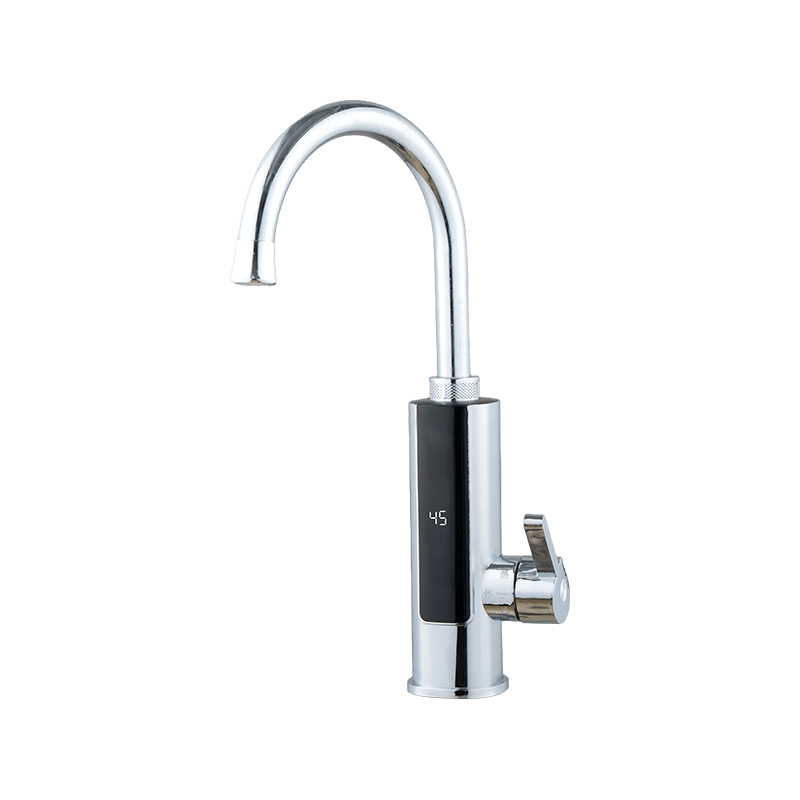
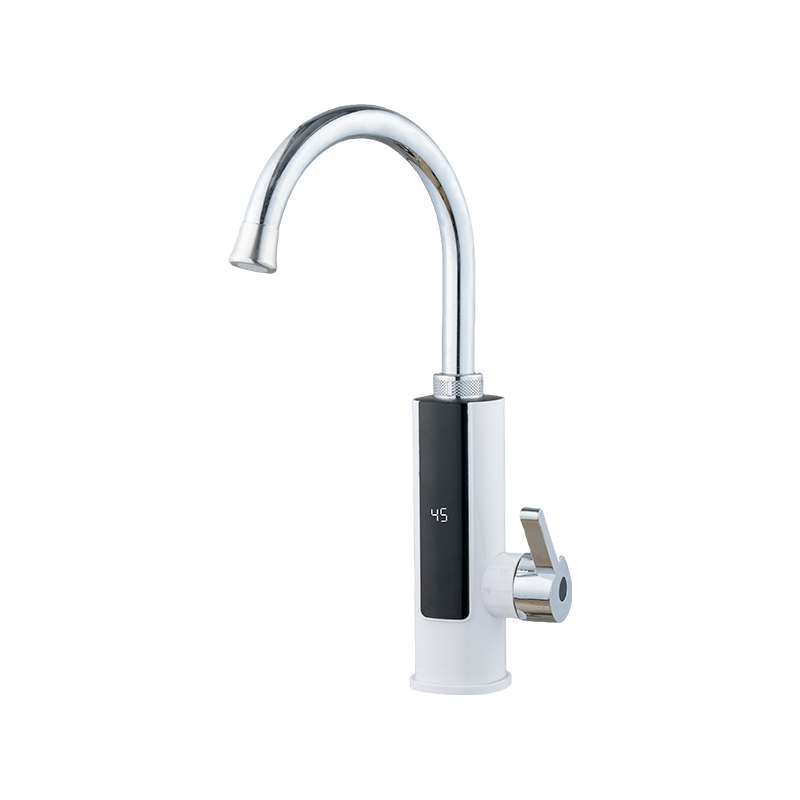
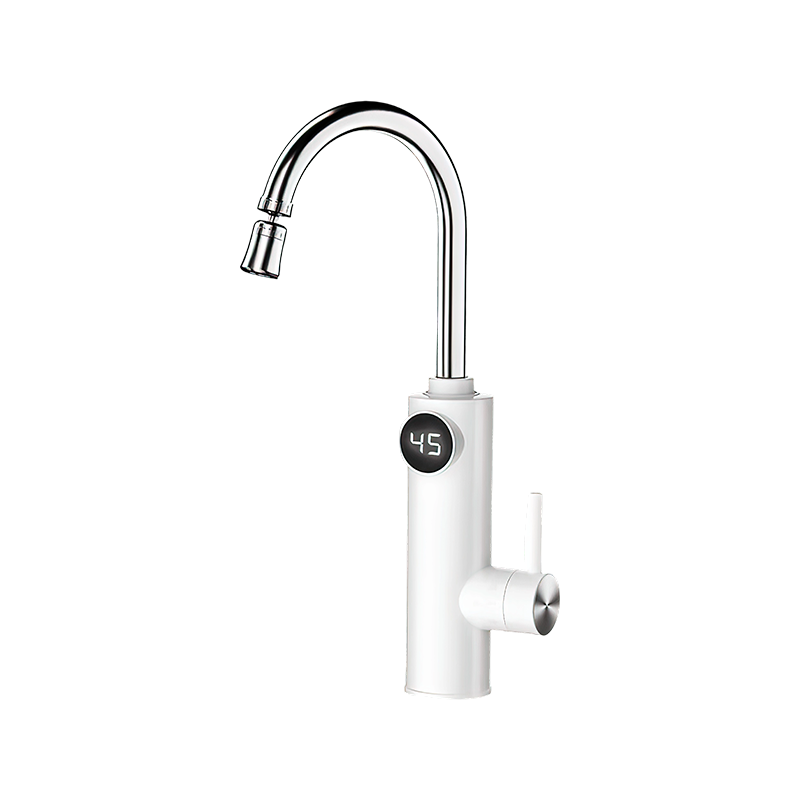
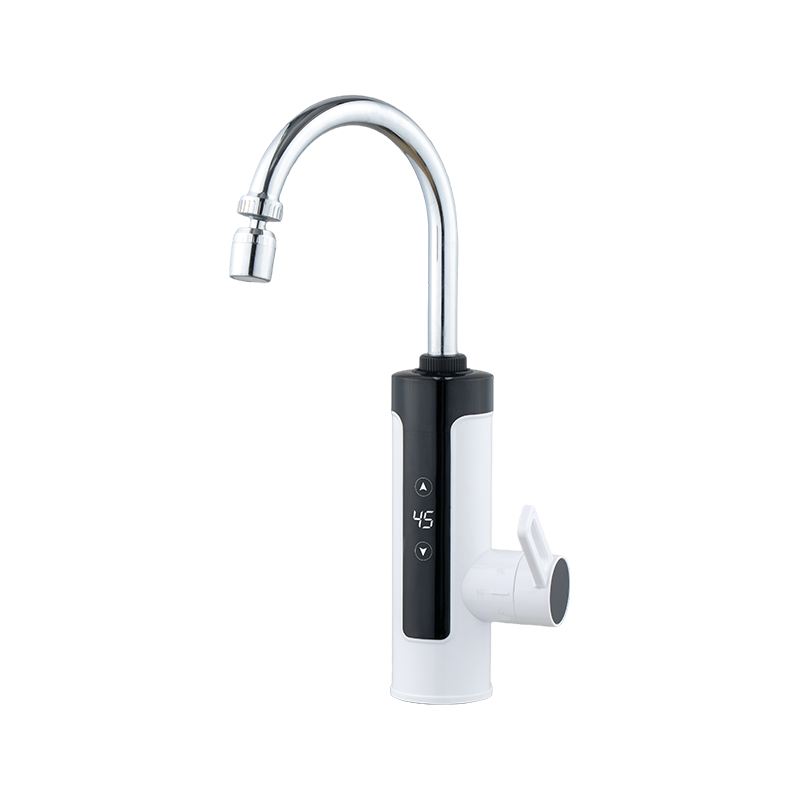
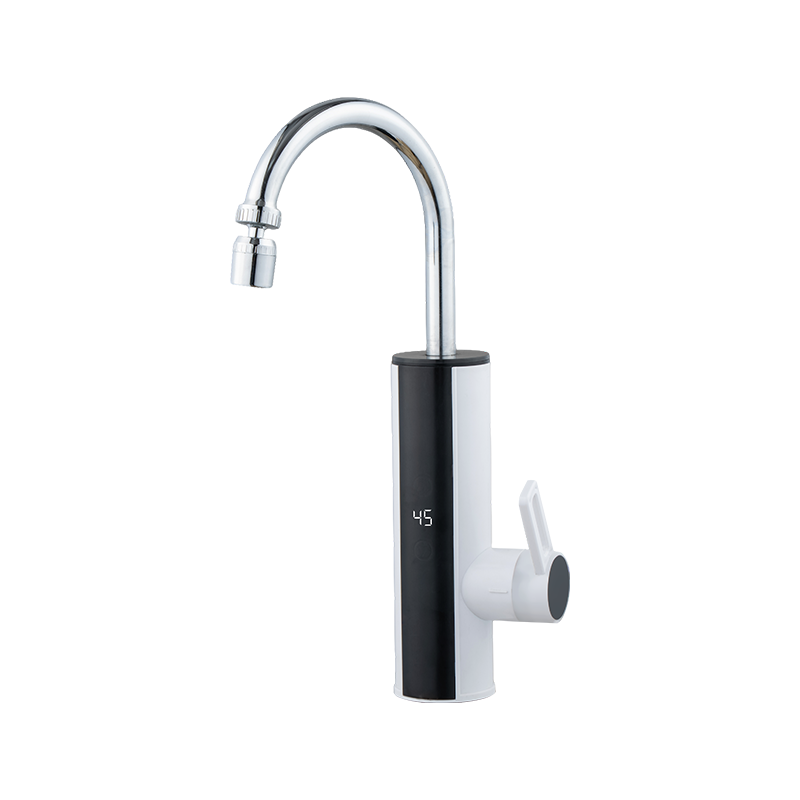
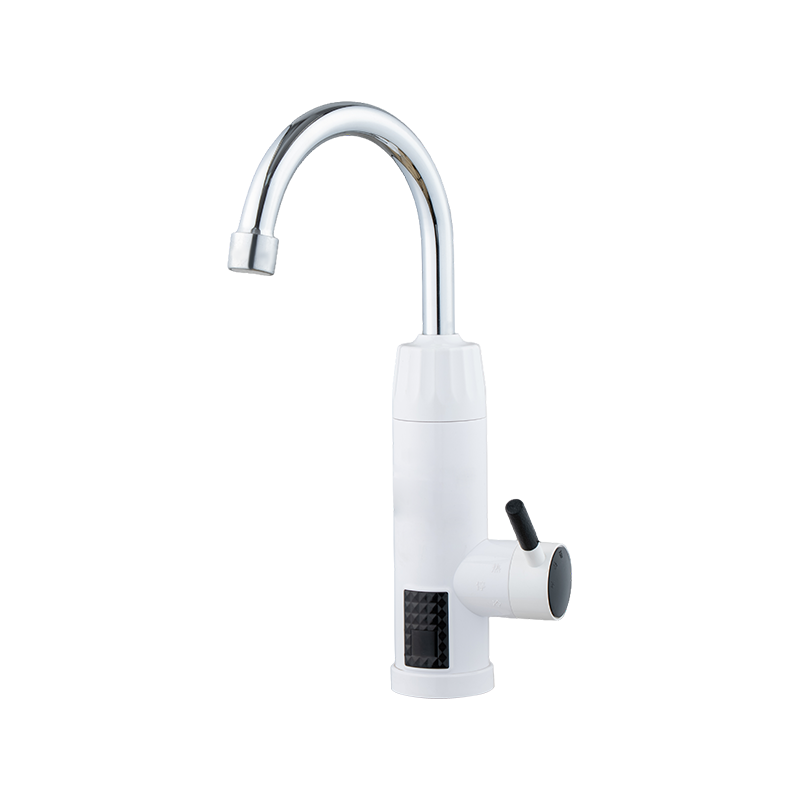
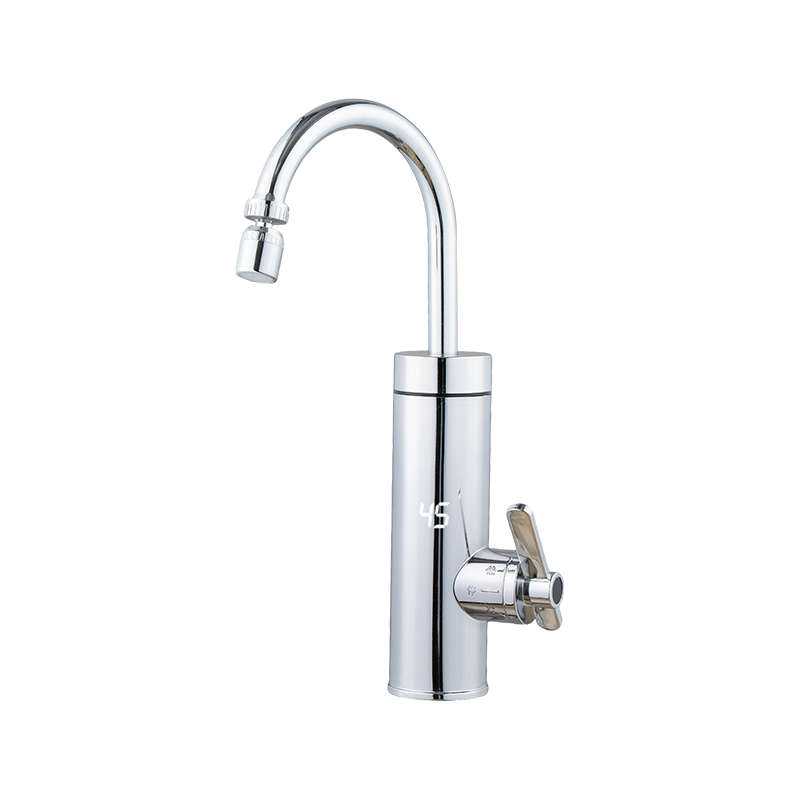
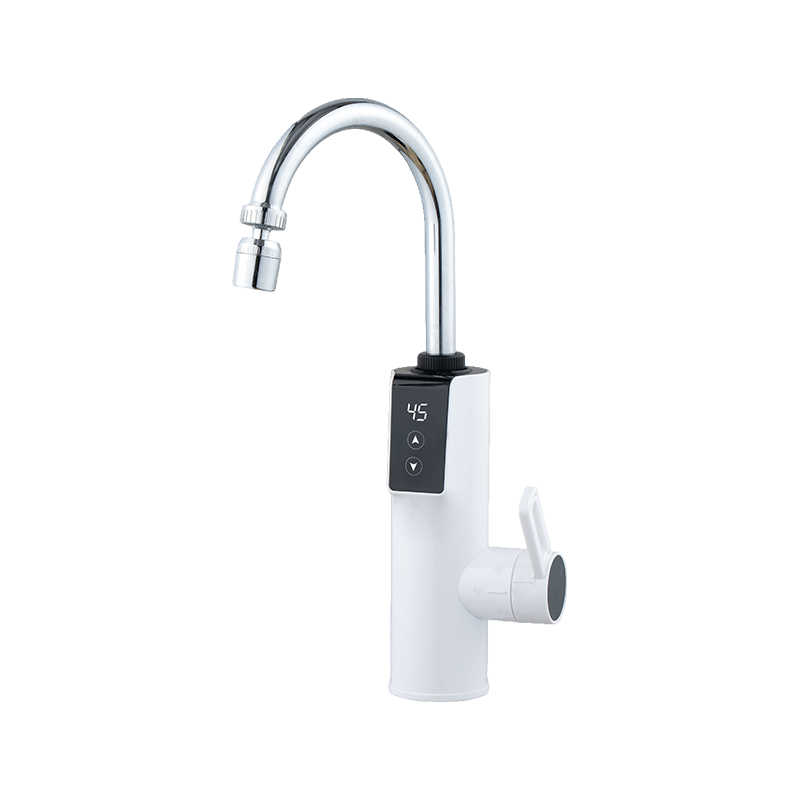

Ningbo Maiteng Electric Appliance Co., Ltd. integra la producción y las ventas. La empresa adopta un modelo dual de autogestión y ventas a través de distribuidores.
- Información de contacto
-
No. 8, Avenida Yaobei, Pueblo de Simen, Ciudad de Yuyao, Ciudad de Ningbo, Provincia de Zhejiang, China.
-
 +86-159 5821 2132
-
 +86-574-62178444
-
 +86-159 5821 2132
-
 [email protected]
[email protected]
-
- Enlace rápido
- Inicio
- Sobre nosotros
- Productos
- Preguntas frecuentes
- Noticias
- Contáctenos
- Escanear
-
Terminal móvil

